
News
Stay up to date on the latest crypto trends with our expert, in-depth coverage.


Fed: Warsh risks and delayed cuts – Commerzbank
FXStreet·2026/04/22 11:54
GBP/USD: Range trading view after CPI – BBH
FXStreet·2026/04/22 11:42
EUR/CAD steadies below 1.6050 as improved oil prices lift Canadian Dollar
FXStreet·2026/04/22 09:51
ZEREBRO fluctuates 42.8% in 24 hours: trading volume surges and active futures drive speculative pump
Bitget Pulse·2026/04/22 09:13
American Airlines Makes Bullish Ripple Statement That Stuns XRP Army
TimesTabloid·2026/04/22 09:03
S&P 500: Rebound in futures after Iran-driven selloff – Deutsche Bank
FXStreet·2026/04/22 09:03
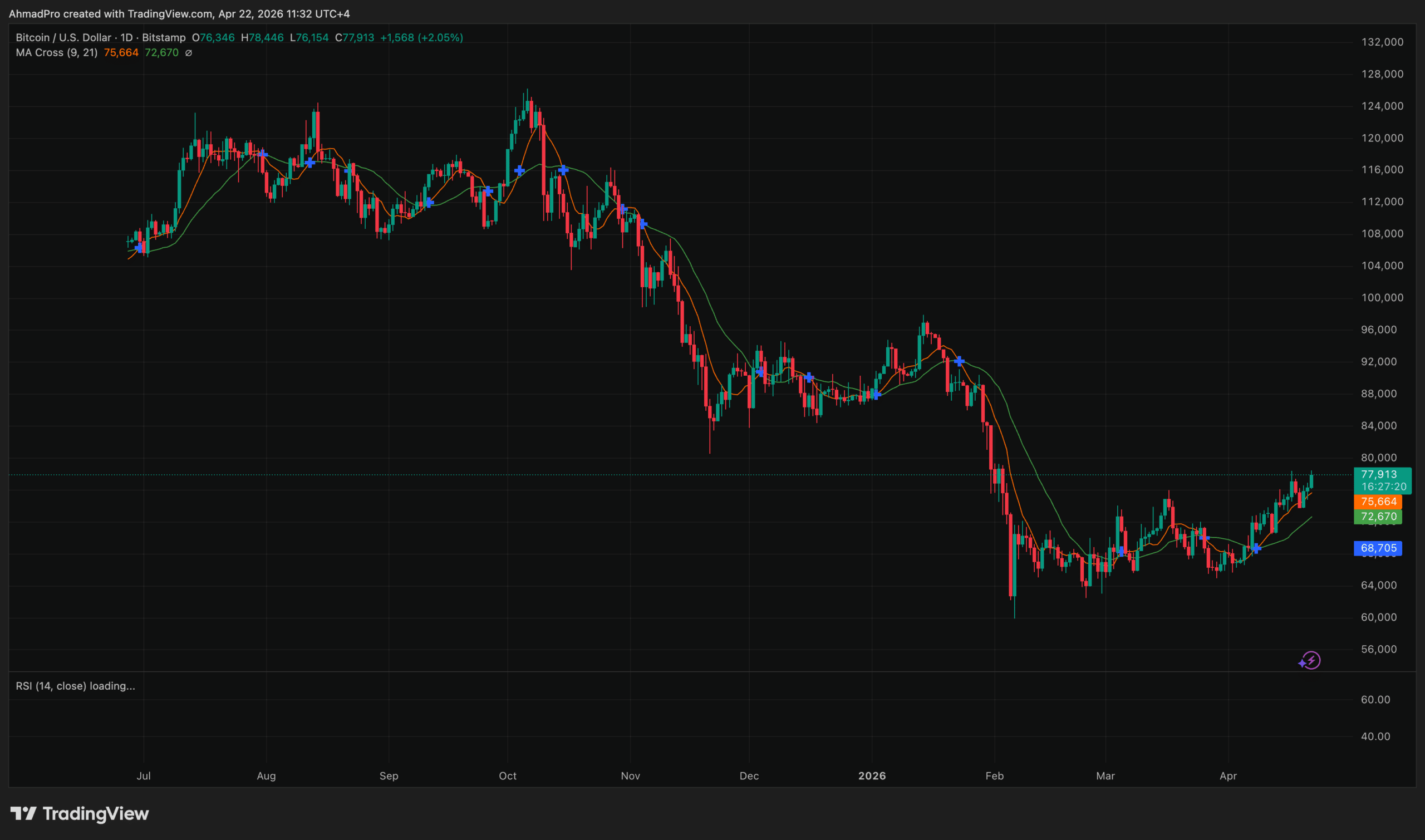
Bitcoin Price Surges to $77,500 High as Trump Ceasefire Extension Lifts Market
Coinspeaker·2026/04/22 08:42
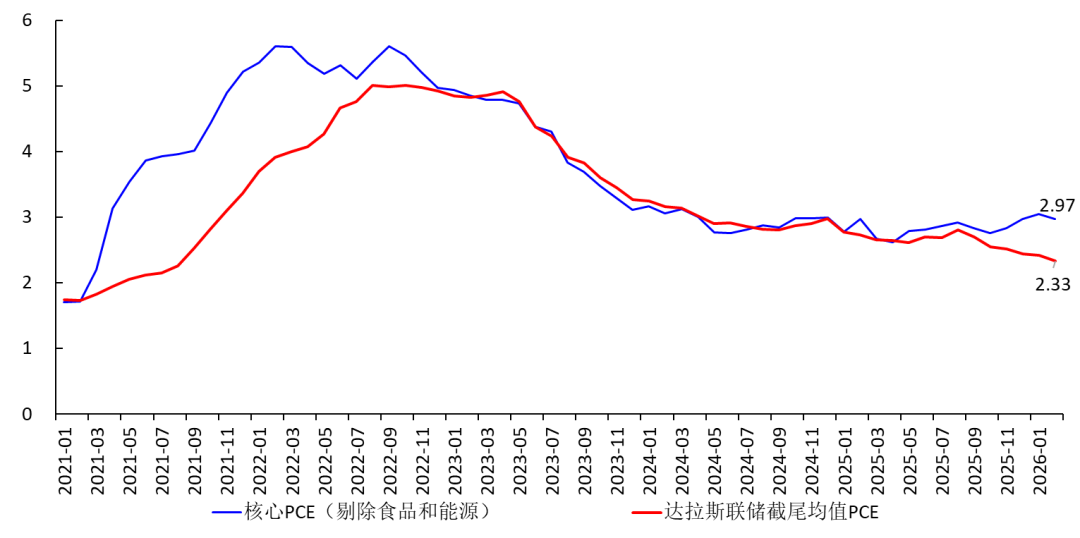
At least three rate cuts possible! If Waller adopts "trimmed mean" inflation rate
丹湖渔翁·2026/04/22 08:35
Copper prices may remain in a volatile pattern
新浪财经·2026/04/22 08:19
Musk Increased SpaceX Holdings by $1.4 Billion Last Year
金融界·2026/04/22 08:19
Flash
23:20
Chip demand drives Japanese manufacturing confidence to rebound for the second consecutive month1. The latest Short-Term Economic Survey shows that Japanese manufacturing confidence continued to improve in June, with the Business Sentiment Index rising to +13 from +8 the previous month. This marks the second consecutive month of rebound for the indicator, reflecting sustained semiconductor demand that continues to support multiple industries. 2. At the industry level, the chemical sector confidence index surged from +6 to +20, becoming the main driver of the overall index increase. Some chemical companies stated that despite ongoing geopolitical tensions, demand in semiconductor-related fields remains strong. Certain electronics and machinery firms also reported that robust chip market demand has boosted orders. 3. This survey was conducted from June 3 to 12, covering a total of 490 companies, with 215 providing valid responses. The index is calculated by subtracting the percentage of pessimistic responses from that of optimistic ones; a positive value indicates optimism dominates. The data is considered a leading indicator for the Bank of Japan’s quarterly Short-Term Economic Survey.
23:20
Temporary Agreement Between the US and Iran Emerges: Oil Trade to Proceed First, Nuclear Issue to Be Addressed in Future NegotiationsThe details of the interim agreement reached by the United States and Iran to end the conflict in the Middle East began to be disclosed gradually on Tuesday. U.S. President Trump stated that the agreement would prevent Tehran from acquiring nuclear weapons. A senior U.S. official revealed that the agreement allows Iran to immediately sell oil and fuel after signing and provides banking, transport, and insurance services to facilitate transactions, but only if Iran complies with all terms, including pledges not to possess nuclear weapons, destroying enriched materials, and ensuring freedom of navigation in the strait.The interim agreement aims to extend the fragile ceasefire by 60 days and to reopen the Strait of Hormuz, which has been effectively blocked by Iran since February. Vice President Vance stated that the signed memorandum is a “very general” document of only one and a half pages. The official signing ceremony is scheduled for Friday in Switzerland, with Vance and Iran’s chief negotiator Qalibaf set to attend.Challenging issues such as the future of Iran’s nuclear program will be handled in the next phase of negotiations, which will start immediately after Friday’s signing. Iranian Foreign Minister Araghchi confirmed this arrangement. However, two other objectives previously cited by Israeli Prime Minister Netanyahu to justify the war—the cessation of Iranian support for regional proxy groups and the containment of its missile program—are believed not to be on the current negotiation agenda.In terms of market reaction, oil prices continued to fall on Tuesday, dropping nearly 5% to a new three-month low, but industry officials said that full recovery of Middle Eastern oil and gas production will still take several months. Iranian President Pezeshkian called the agreement an “important step” towards ending hostilities but emphasized that a final agreement “has not yet taken shape.”Regarding implementation of the agreement, both sides stated that the Strait of Hormuz will remain open starting Friday, but it will be a gradual process for shipping traffic to return to normal. The conflict between Israel and Hezbollah in Lebanon remains a major complicating factor. Iran is demanding a complete halt to hostilities, but Israeli Prime Minister Netanyahu said Israel will not withdraw troops from southern Lebanon, a stance that Trump expressed was “unsatisfactory.”
23:20
Maritime intelligence firm reports that Iran has exported crude oil for the first time in nearly two monthsGolden Ten Data reported on June 17 that the maritime intelligence company “Tanker Tracker” posted on social media in the early hours of the 17th, stating that on the 15th, the company verified via satellite imagery that at least two Very Large Crude Carriers (VLCCs) of the National Iranian Tanker Company had crossed the US Navy blockade line, carrying a total of 3.8 million barrels of Iranian crude oil. This marks Iran’s first crude oil export in nearly two months. Additionally, the post mentioned that the “Stream” oil tanker of the National Iranian Tanker Company is currently sailing out of Pakistan’s exclusive economic zone. The vessel had previously been stranded in those waters for seven weeks, waiting to return to an Iranian port.
News