
News
Stay up to date on the latest crypto trends with our expert, in-depth coverage.


BTC ETFs make 26% of BlackRock's 2024 inflows, 56% of Fidelity’s
Cointelegraph·2024/06/04 01:25
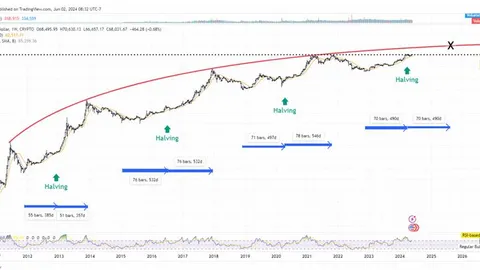
Brandt Predicts Bitcoin Top with Halving Analysis
Dailycoin·2024/06/04 00:22
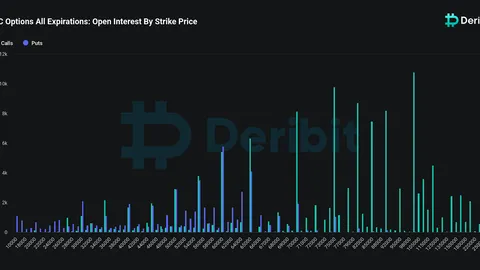
Crypto Braces for $8.2B Bitcoin and Ethereum Options Expiry
Dailycoin·2024/06/04 00:22
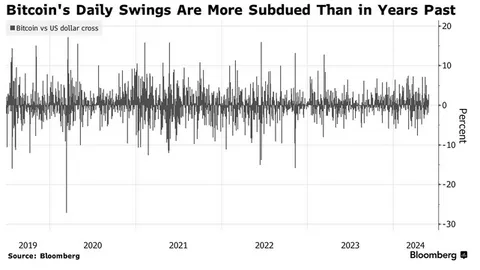
ETFs Tame Bitcoin Volatility, Potentially Ushering in New Stability Era
Dailycoin·2024/06/04 00:22
Spot Bitcoin ETF Holders Reach Record 5% of Total BTC Supply
Dailycoin·2024/06/04 00:22
Blackrock’s IBIT Ousts GBTC as the World’s Largest Bitcoin Fund
Dailycoin·2024/06/04 00:22
Halving full effect: Bitfarms crypto mining revenue falls 42% in May
Cointelegraph·2024/06/03 23:31

Shiba Inu Investors Target New ICO, Eyeing Explosive 1,297% Gains
Cryptonews·2024/06/03 21:52

Trader Loses Millions in Binance Hacking Scam via Chrome Plugin Access
Cryptonews·2024/06/03 21:49

Bitcoin Price Prediction Following Analyst’s Bull Market Projections – Will BTC Repeat History?
Cryptonews·2024/06/03 21:16
Flash
12:55
Monad team shares formal verification practices, discovers multiple on-chain security vulnerabilities overlooked during AI model auditsForesight News reported that the Monad development team, Category Labs, shared their experience using formal verification methods to identify vulnerabilities in key modules of the Monad blockchain. They disclosed several vulnerabilities that cutting-edge large models such as Claude Opus 4.8 and Codex failed to detect during code review, but which were successfully caught during the formal verification process. These issues involve the "Reserve Balance" design in Monad's asynchronous execution mechanism and undefined behavior in C++ during storage optimization in MIP-8. The team believes that, compared to directly asking the models to "review code," first writing precise correctness propositions and then asking the model to find counterexamples is more likely to expose hidden vulnerabilities. At present, formal verification can already be greatly assisted by AI.
12:50
SpaceX bonds plunge sharply in the secondary market, surprising many tradersAccording to informed sources, in private over-the-counter transactions, a major trader has quoted SpaceX bonds maturing in 2056 at a spread as much as 0.28 percentage points wider than the 1.75 percentage points above U.S. Treasuries at issuance. Since trading began, the book loss on SpaceX's $25 billion bonds has continued to grow. Calculated relative to U.S. Treasuries, as of late Thursday, the total loss associated with these bonds was approximately $305 million.
12:42
Goldman Sachs: AI Mania Far from Reaching Internet Bubble Frenzy, Only About 50 IPOs Added This YearBlockBeats News, June 26th - Goldman Sachs pointed out that the U.S. stock IPO market in 2026 is experiencing the strongest rebound in recent years, but it has not yet replicated the speculative frenzy of the Internet bubble era. So far this year, about 50 companies have gone public in the United States, double the number from the same period last year; in terms of transaction amount, the mid-year issuance size has reached approximately $120 billion, equaling the record set for the full year in 2021. Ben Snider, Chief U.S. Equity Strategist at Goldman Sachs, said in the bank's podcast that this is to some extent just a normal recovery, driven by a batch of large companies going public and strong financing demand in the AI field.
Despite high valuations, strong investor confidence, AI emerging as a dominant investment theme, and other bubble warning signs, Snider emphasized a key indicator that is far from historical peaks— the number of IPOs. The U.S. has seen an average of about 100 IPOs per year over the past 25 years, and the current pace is close to that level, compared to over 250 IPOs in 2021 and nearly 400 in 1999, the peak of the Internet bubble. "Although the transaction amount is quite high, and the activity is accelerating, in my view, it is still far from the exuberance of those periods."
News