
News
Stay up to date on the latest crypto trends with our expert, in-depth coverage.


Fed: Emphasis on balance sheet and trajectory of rate reductions – BNY
101 finance·2026/03/31 07:07
EUR: ECB remains behind the Fed in addressing inflation – Commerzbank
101 finance·2026/03/31 07:00
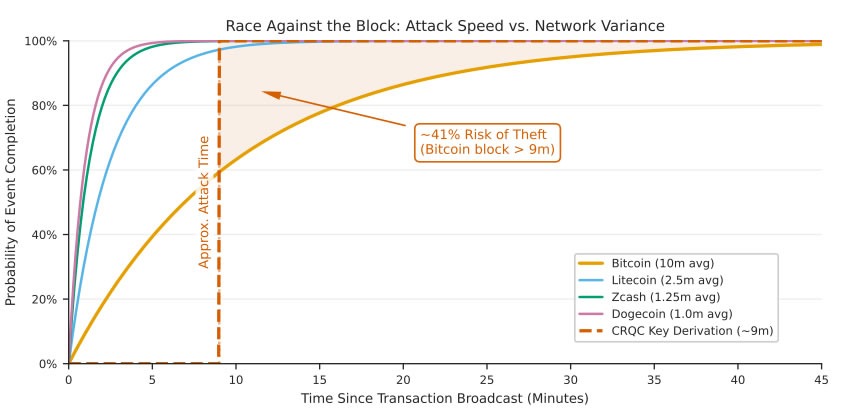
Quantum computers need far less qubits to crack crypto than thought: Google
Cointelegraph·2026/03/31 06:30
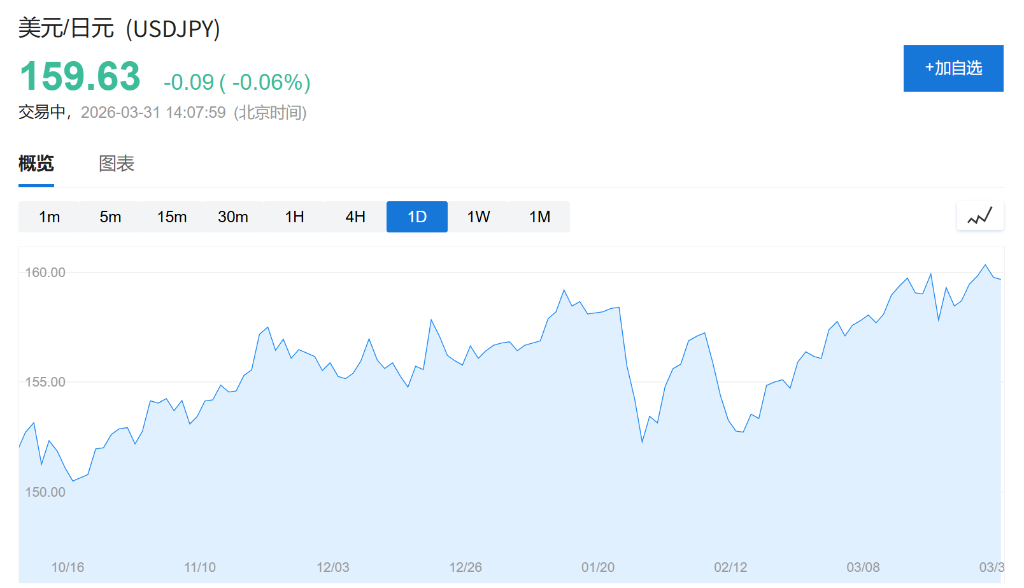
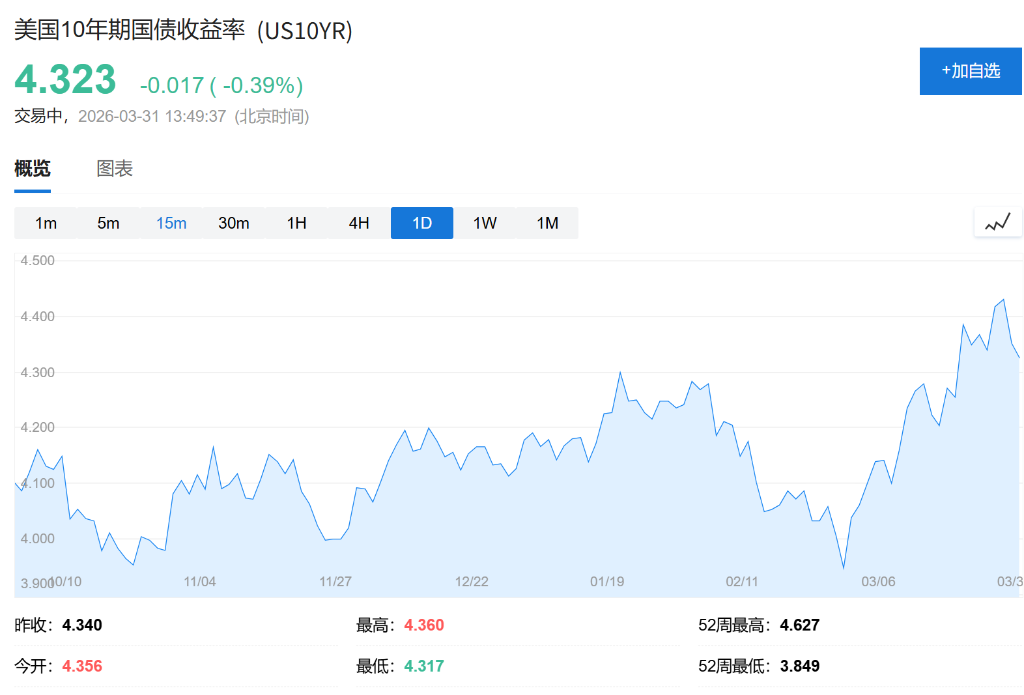
GBP/USD Price Forecast: Holds gains near 1.3200 despite persistent bearish bias
101 finance·2026/03/31 05:09
Senator Questions SEC Over Treatment of Trump-Linked Crypto Businesses
Decrypt·2026/03/31 05:04
US Dollar Index (DXY) eases from YTD peak, trades below 100.50 on Iran de-escalation hopes
101 finance·2026/03/31 04:00
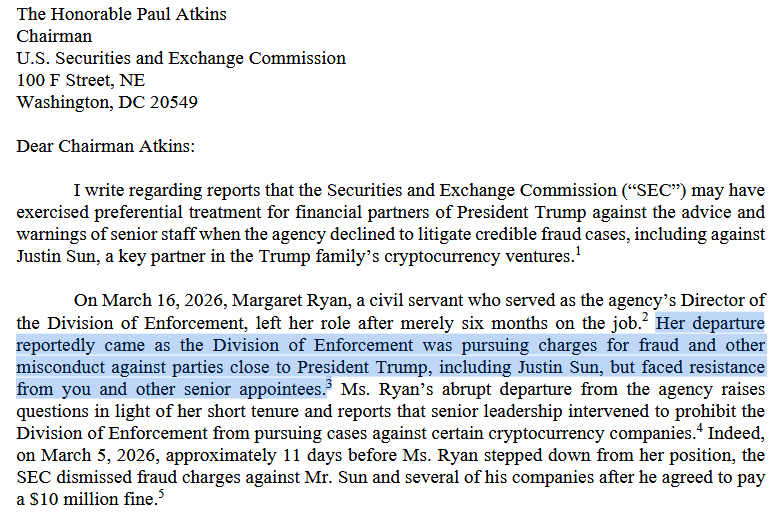
US senators press SEC over enforcement chief exit, Justin Sun’s case
Cointelegraph·2026/03/31 03:48
Flash
06:53
Bitunix Analyst: Federal Reserve Policy Shift and Global Liquidity Tightening Suppress the Crypto MarketBitunix analysts pointed out that the global market's focus has shifted from geopolitics to Federal Reserve policy. Federal Reserve Chairman Kevin Walsh is driving the weakening of forward guidance and the dot plot mechanism, resulting in increased policy uncertainty. Global capital is flowing back to the US dollar system, US Treasury yields are rising, and expectations of further Fed rate hikes continue to suppress the valuation of the crypto market.
06:51
Morgan Stanley strategists warn that the stock market faces liquidity tightening risksThe team led by Michael Wilson pointed out that the scale of asset purchases conducted by the Federal Reserve through reserve management has decreased by about 75% from its peak, and the liquidity support provided by its balance sheet is weakening. Strategists wrote in the report: “The liquidity environment is tightening and may continue to pose resistance to the upward movement of the stock market in July, especially as the market tests the Federal Reserve's newly revealed policy stance.” The team expects corporate profits to remain the core driver of the stock market bull run. (Bloomberg)
06:50
Bitunix Analyst: From Forward Guidance to Policy Fog, Yellen Era Officially Ushers in Global Volatility ReassessmentBlockBeats News, June 22nd, the global market's core focus has gradually shifted from the Middle East conflict itself to monetary policy and liquidity reassessment. Although the US and Iran made progress during talks in Switzerland, agreeing to establish a high-level political supervisory committee and outline a 60-day roadmap for a final agreement, the situation in the Strait of Hormuz has not fully returned to normal. Significant differences between Iran and the US remain regarding Lebanon and oil sanction waivers, and geopolitical risks have not been completely eliminated.
The energy market has started to reflect supply recovery expectations. Libyan oil production has risen to a new high since 2013, Iraq plans to gradually restore pre-conflict capacity, and Qatar has begun preparations to resume LNG exports. The market is reevaluating the impact of the Middle East supply chain recovery on global energy prices and inflation trajectory, with the supply disruptions caused by the war gradually being replaced by supply returns.
However, what is truly driving market pricing is the Fed's policy pivot. The rate market has now fully priced in the expectation of a 25 basis points rate hike in September. Goldman Sachs has simultaneously lowered its gold target price and does not expect a rate cut this year. The new Fed Chair, Powell, continues to push for a weakening of forward guidance and the dot plot mechanism, significantly increasing market uncertainty about the policy path. From the continued rise in US Treasury yields, the maintenance of a strong dollar index, to the large-scale unwinding of global carry trades, all indicate that funds are flowing back into the dollar system.
At the same time, after the Bank of Japan's rate hike, although the Japanese government expressed support for policy normalization, the market has begun to focus on the potential for further rate hikes and yen intervention risks. The Japanese Ministry of Finance openly warned that it would take action against forex speculation, reflecting that major central banks worldwide are gradually entering a more tightening policy environment.
For the crypto market, the biggest variable is no longer the Middle East situation but the ongoing increase in global funding costs leading to liquidity pressure. Although the decline in energy risks helps alleviate inflation concerns, the strengthening US dollar, rising US bond yields, and the warming Fed rate hike expectations will continue to suppress the valuation of risk assets. When the market begins to trade "higher rates for longer" or even "rate hikes again," the key for the crypto market has shifted from geopolitical events to whether new sources of liquidity will emerge.
News